 Tel: +86-510-80226679
 English
 Español
 Portugues
 Pусский
 Français
 日本語
 العربية
 Italiano
 Polski
 Türk dili
 Indonesia
 Tiếng Việt
 中文
 Română


Best Tamping Rammers for Road Repair and Municipal Work
2026-09-07 03:36:32
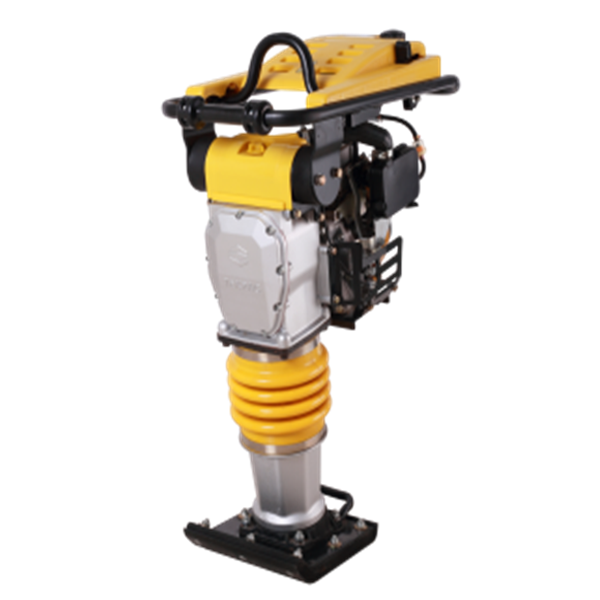
Best Tamping Rammers for Road Repair and Municipal Work
When it comes to road repair and municipal maintenance, choosing the right compaction equipment can make a major difference in work quality, project speed, and long-term pavement performance. Among the most useful tools for this type of job is the tamping rammer. Also known as a jumping jack compactor, a tamping rammer is designed to deliver strong vertical impact force, making it especially effective in compacting cohesive soils, trench backfill, and confined areas where larger Rollers cannot operate.
For road repair crews and municipal workers, the best tamping rammer is not simply the most powerful one. It must also be reliable, easy to handle, durable, safe, and efficient in different site conditions. Since municipal work often involves repeated use, narrow work zones, utility trenches, sidewalk repairs, drainage projects, and patching around curbs or manholes, equipment selection should balance performance with practicality.
This article explains what makes a tamping rammer suitable for road repair and municipal work, the key features to evaluate, the types of jobs it handles best, and how to choose a model that will deliver consistent results.
What Is a Tamping Rammer?
A tamping rammer is a type of compaction machine that uses vertical jumping motion to compress soil and aggregate. Unlike plate compactors, which apply vibration across a flat base, tamping rammers concentrate force into a smaller foot and move up and down rapidly. This makes them especially effective for compacting:
- Clay and cohesive soils
- Backfill in trenches
- Roadside utility cuts
- Narrow excavations
- Areas near walls, curbs, and foundations
- Base layers in confined municipal repair zones
Because they deliver impact force in a smaller footprint, tamping rammers are often the preferred choice when access is limited and deeper compaction is needed.
Why Tamping Rammers Are Important in Municipal Work
Municipal work covers a wide variety of maintenance and repair tasks. Crews may need to restore pavement after utility access, fix small road failures, compact soil around drainage structures, or prepare subgrades for sidewalks and curbs. In all these cases, proper compaction is essential.
Poor compaction can lead to:
- Settlement and sinking
- Cracking in asphalt or concrete patches
- Water infiltration
- Uneven pavement surfaces
- Repeated maintenance calls
- Safety hazards for pedestrians and vehicles
A high-quality tamping rammer helps prevent these issues by creating a dense, stable base before the final surface is installed. This is especially important in road repair, where durability and consistency are critical.
Best Features to Look for in a Tamping Rammer
Not all tamping rammers are equally suited to road repair and municipal use. The best ones usually share several important characteristics.
1. Strong Compaction Force
The most important factor is compaction performance. A rammer should provide enough impact force to compact cohesive soil effectively and reduce the number of passes needed. For municipal work, consistency is often more important than raw power alone. A machine that delivers steady, repeatable force will produce better results over time.
2. Good Balance and Control
Road repair work often happens in tight or awkward spaces. The operator may need to work around signs, barriers, utility covers, trench walls, or traffic-control equipment. A well-balanced rammer is easier to guide and less tiring to operate. Good control also reduces the risk of overcompacting some areas while leaving others loose.
3. Durable Shoe and Frame
Municipal crews frequently use tamping rammers on rough, uneven, or abrasive surfaces. A strong shoe and heavy-duty frame help the machine withstand repeated use. Reinforced components are especially valuable when the equipment is transported between job sites and used by multiple operators.
4. Reliable Engine Performance
For road repair and city maintenance, equipment downtime can slow an entire project. A dependable power source is essential. The engine should start easily, run smoothly, and handle long work shifts without frequent interruptions. Easy maintenance access is also valuable, because municipal crews often need fast service between jobs.
5. Low Hand-Arm Vibration
Since tamping rammers are used by hand, operator comfort matters. Machines with reduced vibration help lessen fatigue and improve safety during longer shifts. This is especially important for municipal workers who may use the tool repeatedly throughout the day.
6. Easy Transport and Storage
Municipal teams often move equipment from one site to another. A compact design, manageable weight, and convenient lifting points make transport easier. If the machine can be loaded and unloaded quickly, crews can save time and reduce physical strain.
7. Suitable Foot Size
The foot size should match the type of repair work being performed. A narrower foot is useful in trenches and tight spaces, while a slightly larger foot may help cover more area in open repair zones. For municipal tasks, versatility is often a major advantage.
Types of Road Repair Work Where Tamping Rammers Perform Well
Tamping rammers are especially useful in projects where confined compaction is needed. Some of the most common applications include:
Trench Backfill
When utilities are installed or repaired beneath roads, the excavation must be refilled carefully. Tamping rammers compact the backfill in layers, helping prevent future settlement.
Pothole and Patch Preparation
Before asphalt patching or resurfacing, the base material must be compacted. A rammer can help stabilize the repair area so the patch lasts longer.
Sidewalk and Curb Repairs
These areas often have narrow access and require precise compaction around edges. A rammer is ideal for this type of work.
Drainage and Culvert Projects
Drainage structures require firm surrounding soil to maintain alignment and prevent washout. Compacting the backfill properly protects the installation.
Utility Cut Restoration
After electrical, gas, water, or communication work, roads and streets must be restored to their original condition. Tamping rammers help create a solid foundation before the surface is replaced.
Foundation and Edge Compaction
In some municipal projects, compaction is needed near retaining walls, manholes, or building edges where larger machines cannot reach.
How to Choose the Right Tamping Rammer
Selecting the best tamping rammer depends on the type of work and the conditions of the job site. Here are the main questions to ask.
What Material Will Be Compacted?
If the work mainly involves clay or cohesive soil, a tamping rammer is an excellent choice. If the site includes more granular materials, a plate compactor may sometimes be more suitable. Many municipal crews keep both types of equipment available.
How Confined Is the Space?
For narrow trenches, utility cuts, or work near structures, a compact rammer with excellent maneuverability is important. If the area is slightly more open, a heavier-duty model may improve productivity.
How Often Will It Be Used?
For occasional repairs, a standard-duty machine may be enough. For frequent municipal use, investing in a more durable, professional-grade model usually makes sense because it will last longer and handle tougher conditions.
Who Will Operate It?
If the equipment will be used by different workers with varying levels of experience, ease of use becomes very important. Controls should be simple, the machine should start reliably, and the handling should be predictable.
What Is the Budget for Ownership, Not Just Purchase?
The lowest purchase price does not always mean the lowest total cost. Maintenance, fuel use, repair frequency, and equipment lifespan all affect long-term value. A slightly more expensive machine may be cheaper over time if it is more dependable and requires less downtime.
Maintenance Tips for Long-Term Performance
To get the best results from a tamping rammer, regular maintenance is essential. Municipal work can be demanding, so keeping the machine in good condition helps maintain performance and safety.
Daily Checks
Before use, inspect:
- Fuel and oil levels
- Air filter condition
- Fasteners and bolts
- Foot wear
- Visible leaks
- Throttle and control operation
Clean After Use
Dust, mud, and debris can build up quickly on job sites. Cleaning the machine after each shift helps prevent wear and improves reliability.
Follow Service Intervals
Routine maintenance such as oil changes, filter replacement, and component inspection should be done according to the recommended schedule. A machine that is serviced regularly will usually last much longer.
Store Properly
When not in use, keep the rammer in a dry, protected area. Good storage reduces corrosion and protects moving parts from damage.
Safety Considerations
Safety is a major concern in road repair and municipal work. Tamping rammers generate strong impact and vibration, so operators should use proper protective equipment and follow safe work practices.
Important safety measures include:
- Wearing gloves, boots, eye protection, and hearing protection
- Checking the ground for hidden obstacles
- Keeping bystanders away from the work area
- Avoiding use on unstable slopes unless the machine is designed for it
- Reading and following operating instructions carefully
- Taking breaks to reduce fatigue during extended use
Because municipal work often takes place near traffic, additional precautions such as cones, barriers, and high-visibility clothing are also essential.
Benefits of Using the Right Tamping Rammer
A suitable tamping rammer offers many advantages for road repair and municipal projects:
- Better compaction quality
- Reduced settlement after repair
- Longer-lasting pavement and trench restoration
- Faster work in confined spaces
- Improved operator control
- Lower risk of repeat maintenance
- Better overall project efficiency
These benefits can save time, reduce costs, and improve public safety.
Final Thoughts
The best tamping rammers for road repair and municipal work are the ones that combine strong compaction performance with durability, maneuverability, and ease of use. Since municipal jobs often involve narrow spaces, frequent transport, and demanding conditions, the ideal machine should be reliable enough for daily use and precise enough for confined areas.
When choosing a tamping rammer, focus on the type of soil, the available space, the frequency of use, and the total cost of ownership. A well-chosen machine will help crews achieve stronger compaction, more durable repairs, and better long-term results for streets, sidewalks, trenches, and utility restoration projects.
In road repair and city maintenance, good compaction is not just a technical step. It is the foundation of lasting infrastructure. A dependable tamping rammer plays a vital role in making sure that foundation is strong.
- Vorherige Seite: Plate Compactor Vibratory Frequency Adjustment Guide
- Nächste Seite: Concrete Cutter for Cutting Asphalt and Concrete Joints
E-Mail:BillyLee@tekpac.com.cn
Copyright © 2022 Wuxi Taixue Construction Machinery Co., Ltd Sitemap



 Telefon
Diese Website verwendet Cookies, um sicherzustellen, dass Sie das beste Erlebnis auf unserer Website erhalten.
Kommentar
(0)